
In this article:
- Seven Design Principles Every Facility Manager Should Know
- Public Restroom Design: The First Line of Defence Against Infection
- Let’s explore the seven design principles that make this possible.
- Traditional Toilet vs Modern Hygiene-Led Toilet Design
- See How This Works in Practice: The Princess Alexandra Hospital NHS Trust Case Study
- Frequently Asked Questions
Seven Design Principles Every Facility Manager Should Know
Public washroom design is one of the most effective ways to improve hygiene because it reduces contamination before it occurs. Modern toilets, urinals, materials, and connected technologies minimise touchpoints, contain airborne germs, simplify cleaning, improve maintenance, and create healthier environments for everyone. For facility managers, investing in better restroom design means improved infection control, lower maintenance requirements, enhanced user satisfaction, and more sustainable operations.
Public Restroom Design: The First Line of Defence Against Infection
When people think about hygiene in public restrooms, they often think about cleaning. While effective cleaning is essential, it is only one part of the equation. The most hygienic public washrooms are designed to prevent contamination from occurring in the first place. This is particularly important in busy commercial environments where hundreds, sometimes thousands, of people use the facilities every day. Office buildings, airports, shopping centres, universities, healthcare facilities, stadiums, and transport hubs all face the same challenge: maintaining exceptional hygiene while managing water consumption, operating costs, and increasing sustainability expectations.
Today’s water saving toilets and sustainable washroom solutions are no longer designed solely to reduce water consumption. They are engineered to improve public health, enhance the user experience, simplify maintenance, and deliver measurable operational savings.
At Propelair, this philosophy sits at the centre of product development. By combining innovative plumbing design with advanced hygiene technologies and IoT connectivity, Propelair’s commercial toilets and urinals help organisations create washrooms that are cleaner, healthier, smarter, and significantly more water efficient.
Let’s explore the seven design principles that make this possible.
1. Minimise Touchpoints to Reduce Cross Contamination
Every surface that users touch inside a public restroom creates another opportunity for bacteria and viruses to spread. Traditional commercial washrooms often require users to interact with multiple shared surfaces, including toilet seats, flush handles, urinal flush controls, cubicle locks, taps, soap dispensers, and hand dryers. Modern restroom design aims to eliminate as many of these contact points as possible. This is where intelligent fixture design becomes especially valuable.
The Propelair OneThreeFive commercial toilet incorporates a close-to-flush lid that remains closed during flushing, reducing unnecessary user interaction while also improving hygiene. Combined with its powerful air-assisted flush, the toilet clears waste using just 1.35 litres per flush, making it one of the world’s leading high efficiency toilets for commercial washrooms.
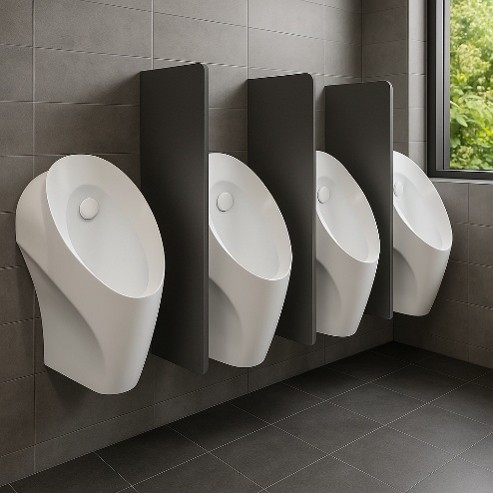
Similarly, Propelair’s Contour Pulse urinal has been developed to remove unnecessary touchpoints altogether. Rather than relying on traditional manual or timed flushing systems, Contour Pulse uses concealed sensors together with intelligent PulseLogic technology to activate flushing only when required. The system automatically detects genuine usage, preventing unnecessary flushes while maintaining excellent hygiene standards.
This intelligent operation provides several important benefits:
- Eliminates shared flush buttons and handles
- Reduces unnecessary water use
- Minimises opportunities for cross contamination
- Creates a more intuitive user experience
- Supports cleaner, more modern commercial washrooms
By removing unnecessary physical contact throughout the restroom, organisations can significantly reduce the opportunities for germs to transfer between users while simultaneously improving operational efficiency.
2. Reduce Airborne Contamination Before It Can Spread
One of the least understood hygiene risks inside public washrooms is what scientists refer to as toilet plume, more commonly known as the “sneeze effect.” Every time a conventional toilet is flushed with the lid open, microscopic droplets containing bacteria and viruses can become airborne and disperse throughout the surrounding environment. These particles can settle on nearby surfaces including doors, cubicle walls, countertops, dispensers, and even personal belongings. Good restroom design seeks to contain contamination at its source.
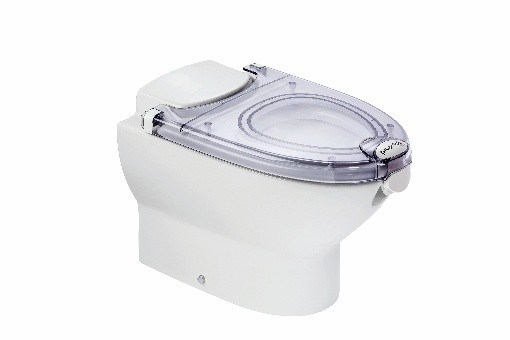
The Propelair OneThreeFive toilet addresses this challenge through its innovative Close-to-Flush Technology. Rather than allowing flushing to occur with the lid open, the system keeps the lid sealed during the flush cycle, dramatically reducing the release of aerosolised particles into the washroom. Combined with Propelair’s powerful air-assisted flush technology, this design reduces the spread of airborne bacteria and viruses by up to 95%.
This delivers several important benefits for facility managers:
- Improved infection control
- Reduced airborne contamination
- Cleaner surrounding surfaces
- Better user confidence
- Enhanced hygiene in high occupancy environments
These advantages become especially important in locations where hygiene is critical, including healthcare facilities, schools, hospitality venues, airports, transport hubs, shopping centres and large commercial offices.
While many discussions around commercial bathroom water conservation focus exclusively on reducing litres per flush, truly innovative water efficient sanitation solutions demonstrate that water efficiency and hygiene can work together.
3. Hygienic Materials Continue Working Long After Cleaning Ends
Even the most rigorous cleaning schedule cannot continuously protect frequently touched surfaces throughout the day. Between cleaning cycles, countless users continue interacting with toilet seats, lids, locks, and other high-contact components.
This is why material selection has become one of the most important aspects of modern public restroom design.
Propelair incorporates Biomaster antimicrobial technology into the components that users touch most often, including:
- The seat
- The lid
- The latch
- The seal
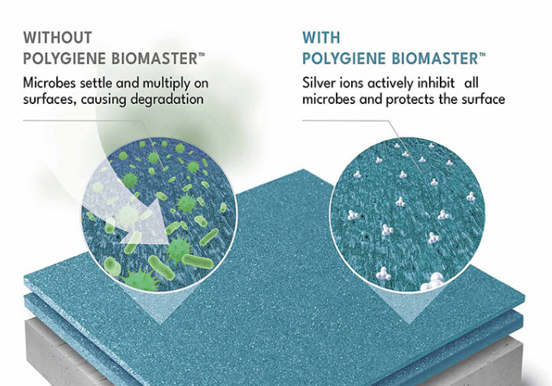
These integrated antimicrobial additives continuously inhibit the growth of bacteria on the product surface, helping to maintain cleaner contact points throughout the day. Unlike surface sprays or temporary coatings, the protection is built directly into the product during manufacture, providing long-term performance without requiring additional maintenance. When combined with regular cleaning protocols, antimicrobial materials provide an additional layer of protection that supports better hygiene throughout busy operating hours.
For facilities managing high visitor numbers, this contributes to:
- Cleaner high-touch surfaces
- Reduced bacterial growth between cleaning cycles
- Greater user confidence
- Improved long-term durability
- Better overall hygiene management
But the choice of materials extends beyond antimicrobial protection. Modern commercial fixtures increasingly utilise smooth, non-porous surfaces that resist staining, prevent dirt accumulation, and simplify cleaning. This enables cleaning teams to maintain consistently high standards while reducing the time required for routine maintenance.
View the technology in action! Watch the Biomaster technology video here.
4. Improve Cleanability Through Smarter Toilet Design
Cleaning a public restroom should not require staff to work around awkward shapes, hidden crevices, or difficult-to-reach surfaces. Yet many conventional toilets still feature designs that trap dirt, harbour bacteria, and increase the time required to maintain hygiene. Modern restroom design takes a different approach. Every curve, hinge, and surface is engineered to make cleaning faster, easier, and more effective.
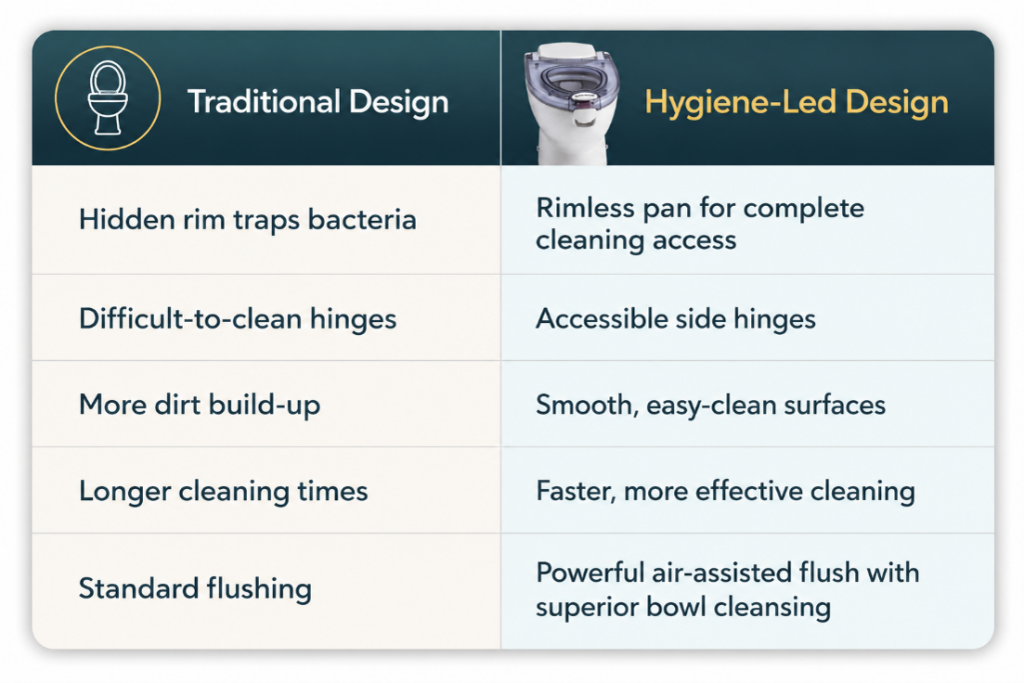
The Propelair OneThreeFive has been designed with both hygiene and maintenance in mind. Its rimless pan eliminates the hidden rim found on many traditional toilets, removing an area where dirt, limescale, and bacteria can accumulate unnoticed. Without this concealed cavity, cleaning teams can access the entire bowl quickly and thoroughly, improving hygiene while reducing cleaning time.
Another thoughtful design feature is the side-mounted hinges, which provide easy access beneath the seat during cleaning. Areas that are often difficult to reach with conventional toilets become fully accessible, allowing cleaners to maintain consistently high hygiene standards with less effort.
Propelair’s transparent ABS lid also serves a practical purpose beyond aesthetics. It gives users visible confidence in the toilet’s powerful air-assisted flush by allowing them to see the flush action, reinforcing trust in the product’s cleaning performance while creating a distinctive appearance.
Combined with its durable construction, the OneThreeFive is well suited to demanding environments such as:
- Commercial office buildings
- Shopping centres
- Schools and universities
- Transport hubs
- Sports stadiums
- Healthcare facilities
- Leisure venues
These are environments where toilets are used hundreds or even thousands of times each day, placing exceptional demands on hygiene, reliability, and maintenance.
Better design doesn’t simply create a cleaner-looking restroom. It creates fixtures that are easier to keep clean every single day.
Traditional Toilet vs Modern Hygiene-Led Toilet Design
5. Enhance Ventilation and Eliminate Odours at Their Source
One of the quickest ways users judge the cleanliness of a public restroom is by its smell. Even a visually spotless washroom can feel unhygienic if unpleasant odours are present. While mechanical ventilation plays an important role in maintaining air quality, the design of sanitaryware itself has a significant influence on how fresh a washroom remains throughout the day. Traditional waterless urinals have often struggled with inconsistent odour control. Many rely on cartridges, chemical blocks, or liquid sealants that require regular replacement and can become ineffective over time.
The Propelair Contour Zero waterless urinal approaches the problem differently. At the heart of the system is OdourLock, an innovative one-way drain valve that creates a physical seal between the washroom and the drainage system. Unlike traditional traps or cartridge systems, OdourLock opens only while liquid is flowing. Once flow stops, the valve automatically seals closed, preventing odours from travelling back into the washroom.
This simple but highly effective design delivers several hygiene advantages:
- Prevents unpleasant drainage odours
- Creates a consistently fresh washroom environment
- Reduces maintenance requirements
- Eliminates the need for cartridges
- Removes the need for harsh chemicals
- Requires no electrical power
- Integrates with existing drainage systems
Perhaps even more importantly, OdourLock helps isolate biofilm and free-floating bacteria within the drainage system itself.
By preventing airflow between the drainage network and the occupied washroom, the technology reduces the opportunity for airborne contaminants to re-enter the public environment. This provides an additional layer of hygiene that is particularly valuable in healthcare facilities, commercial buildings, educational institutions, airports, and other high-traffic locations.
The result is a waterless, odour-free, hygienic urinal designed for reliable everyday performance in real-world commercial environments.
For organisations seeking sustainable washroom solutions, Contour Zero demonstrates that water conservation does not have to come at the expense of user comfort or hygiene.
See how this works in practice: Watch how OdourLock technology delivers reliable, cartridge-free odour control: https://www.youtube.com/watch?v=7CRB9R9Ja3I
6. Prevent Standing Water to Reduce Bacteria and Biofilm
Standing water is one of the greatest contributors to bacterial growth inside washrooms. Where moisture accumulates, mould, mildew, biofilm, and bacteria can quickly develop, particularly around drainage systems and poorly designed sanitary fixtures. Effective restroom design seeks to eliminate stagnant water wherever possible. Waterless urinal technology offers one of the clearest examples of this principle.
Because the Contour Zero requires no flushing water, it removes the continual pooling and evaporation associated with many traditional urinal systems. Combined with the OdourLock valve, the drainage system remains isolated from the occupied space while allowing waste liquids to drain efficiently.
The absence of standing water provides several operational benefits:
- Reduced opportunity for bacterial growth
- Lower risk of biofilm development
- Improved odour control
- Cleaner drainage systems
- Less maintenance intervention
- Improved long-term hygiene
This is particularly valuable in high-use public facilities where washrooms operate continuously throughout the day. Waterless technology also supports broader sustainability objectives. Every flush eliminated contributes towards commercial toilet water savings, helping organisations reduce potable water demand while lowering both water and wastewater charges. For organisations operating in water-stressed regions, every litre saved contributes towards long-term resilience. As water scarcity becomes an increasingly important issue worldwide, products such as Contour Zero demonstrate how water efficient sanitation solutions can simultaneously improve hygiene, reduce operating costs, and support environmental goals.
7. Enable Proactive Maintenance with Connected Technology
Maintaining hygiene isn’t only about product design. It also depends on how quickly maintenance teams can identify and resolve problems. A blocked toilet, hidden leak, failed valve, or faulty flush mechanism can rapidly affect cleanliness, user satisfaction, and operational efficiency if left undetected. Historically, many facilities have relied on reactive maintenance. Problems are only addressed once a user reports them, by which time inconvenience, water waste, or hygiene issues may already have occurred.
Today’s connected washrooms operate very differently. Propelair’s Propelair Connect platform provides facility managers with real-time visibility across their commercial washroom estate.
Connected fixtures continuously monitor operational performance, allowing maintenance teams to identify issues before they become larger problems. Instead of carrying out routine inspections across every washroom, maintenance teams can respond only where attention is genuinely required. This targeted approach delivers significant operational advantages:
- Faster fault resolution
- Reduced equipment downtime
- Fewer service disruptions
- Improved user experience
- Better maintenance planning
- Greater asset visibility
- Reduced operational costs
Beyond maintenance, Propelair Connect also supports sustainability reporting by providing organisations with measurable insights into water consumption and asset performance. This enables facility managers to move beyond estimated savings and demonstrate real performance through reliable operational data.
For organisations investing in IoT connected toilets, connected infrastructure represents the next evolution in commercial washroom management, combining hygiene, operational efficiency, and sustainability within a single intelligent platform.
As buildings become increasingly connected, proactive maintenance will become an essential component of hygienic restroom design rather than simply a desirable feature.
8. Encourage Better User Behaviour Through Thoughtful Design
The best public restrooms don’t just provide hygienic facilities, they naturally encourage hygienic behaviour. A well-designed washroom should be intuitive to use. Clear layouts, visible signage, appropriately positioned handwashing facilities, and reliable fixtures all help users follow good hygiene practices without thinking about them.
Equally important is user confidence. When a restroom looks clean, smells fresh, and performs consistently, users are more likely to respect the environment and use the facilities correctly. Modern sanitaryware also contributes to this positive experience. Touch-free operation, clear lids, powerful flushing, odour-free urinals, and visibly clean fixtures reinforce the perception that hygiene is a priority. This creates a positive cycle, cleaner facilities encourage better user behaviour, which in turn helps facilities remain cleaner for longer. For facility managers, this translates into fewer complaints, improved customer satisfaction, and a washroom environment that reflects positively on the wider organisation.
Hygiene Begins with Design, Not Just Cleaning
Cleaning will always be one of the most important aspects of washroom management, but even the most dedicated cleaning team can only work with the products and environments they have been given.
Public restroom design has evolved significantly over the past decade. Today’s water saving toilets, low flush toilets, and commercial water efficient toilets are no longer simply plumbing fixtures. They are intelligent hygiene systems designed to reduce contamination, simplify cleaning, improve user confidence, and support long-term sustainability.
From reducing touchpoints and containing airborne germs to preventing odours, improving cleanability, and enabling predictive maintenance, every design decision contributes to a healthier washroom environment.
This is where Propelair has redefined what modern commercial sanitaryware can achieve. The Propelair OneThreeFive demonstrates how low water use toilet technology can deliver outstanding hygiene while reducing water consumption by up to 85% compared with conventional toilets. Its powerful air-assisted flush, Close-to-Flush technology, rimless pan, and Biomaster antimicrobial protection work together to improve cleanliness while reducing maintenance demands.
The Contour Pulse low-flush urinal combines intelligent sensor technology with IoT connectivity to deliver controlled flushing, lower water consumption, and smarter maintenance, helping organisations achieve meaningful commercial bathroom water conservation without compromising hygiene.
Meanwhile, the Contour Zero waterless urinal introduces a new standard for odour control through its innovative OdourLock one-way drain technology, delivering a consistently fresh washroom without cartridges, chemicals, power, or unnecessary maintenance.
When connected through Propelair Connect, these technologies become even more powerful. Real-time monitoring, instant fault notifications, and actionable performance data allow facility managers to shift from reactive maintenance to proactive asset management, improving uptime, reducing operating costs, and strengthening sustainability reporting.
The result is more than a cleaner restroom. It is a smarter, healthier, more sustainable environment that benefits building owners, maintenance teams, visitors, and the wider community.
Good restroom design no longer simply supports hygiene. It actively leads it.
See How This Works in Practice: The Princess Alexandra Hospital NHS Trust Case Study
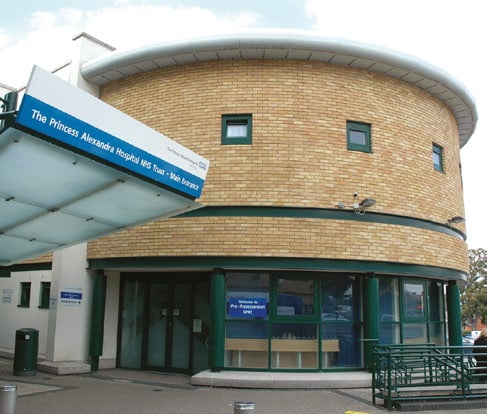
Healthcare environments demand some of the highest hygiene standards of any public building, making them an ideal example of how intelligent restroom design can support infection control.
At The Princess Alexandra Hospital NHS Trust, Propelair’s technology helped enhance infection control by reducing airborne germs by up to 95% through its powerful air-assisted flush and Close-to-Flush technology. The result is a cleaner, safer washroom environment that supports both patients and healthcare professionals while reducing water consumption and improving operational efficiency.
Prince Alexandra Hospital enjoys enhanced infection control, with up to 95% fewer airborne germs, due to a powerful flush and Close-to-Flush technology, supporting patient and staff safety. Read the full case study here:
https://propelair.com/case-studies/the-princess-alexandra-hospital/
Frequently Asked Questions
The future of public washrooms isn’t defined by using less water or cleaning more often. It’s about designing environments that actively prevent contamination, simplify maintenance, conserve valuable resources, and inspire confidence in every user.
When intelligent design, innovative engineering, and connected technology work together, hygiene stops being a reactive task and becomes a built-in feature of the washroom itself.
That’s the future of commercial sanitation, and it’s already here.
By: Zea Gove, Global Brand Strategist and Marketing Manager, Propelair
